Building What Matters

Building What Matters

Designing NHS Screening around real people 


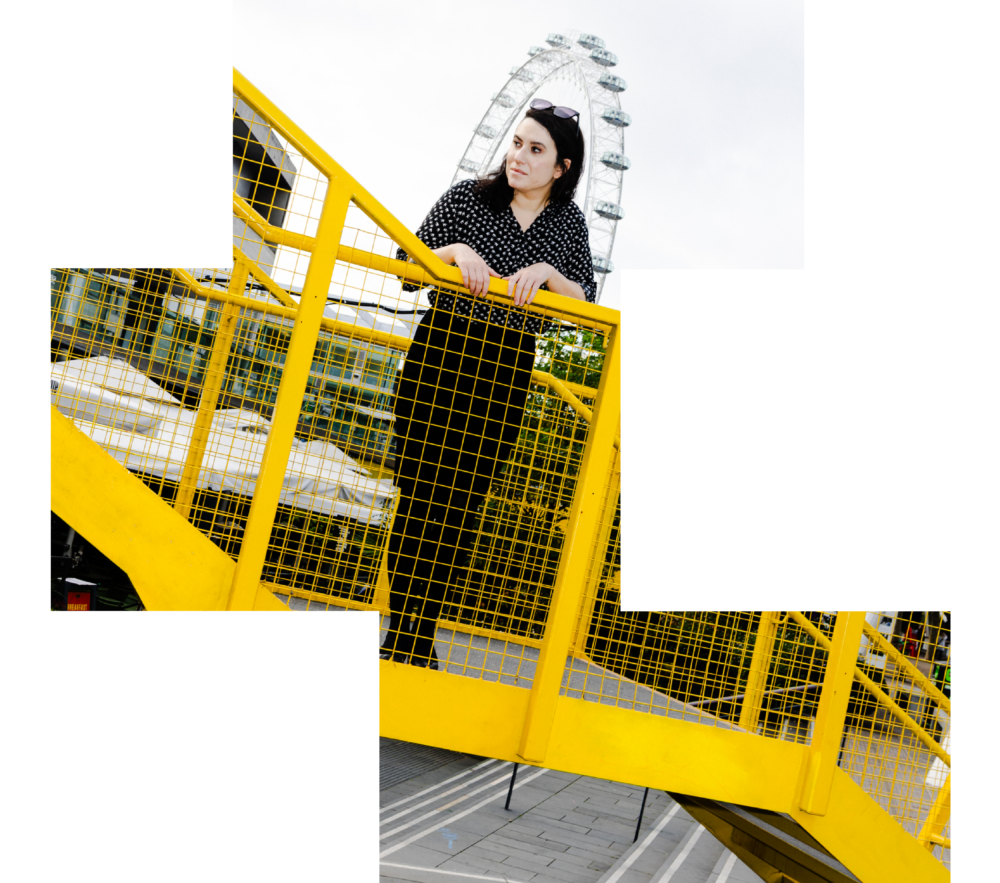
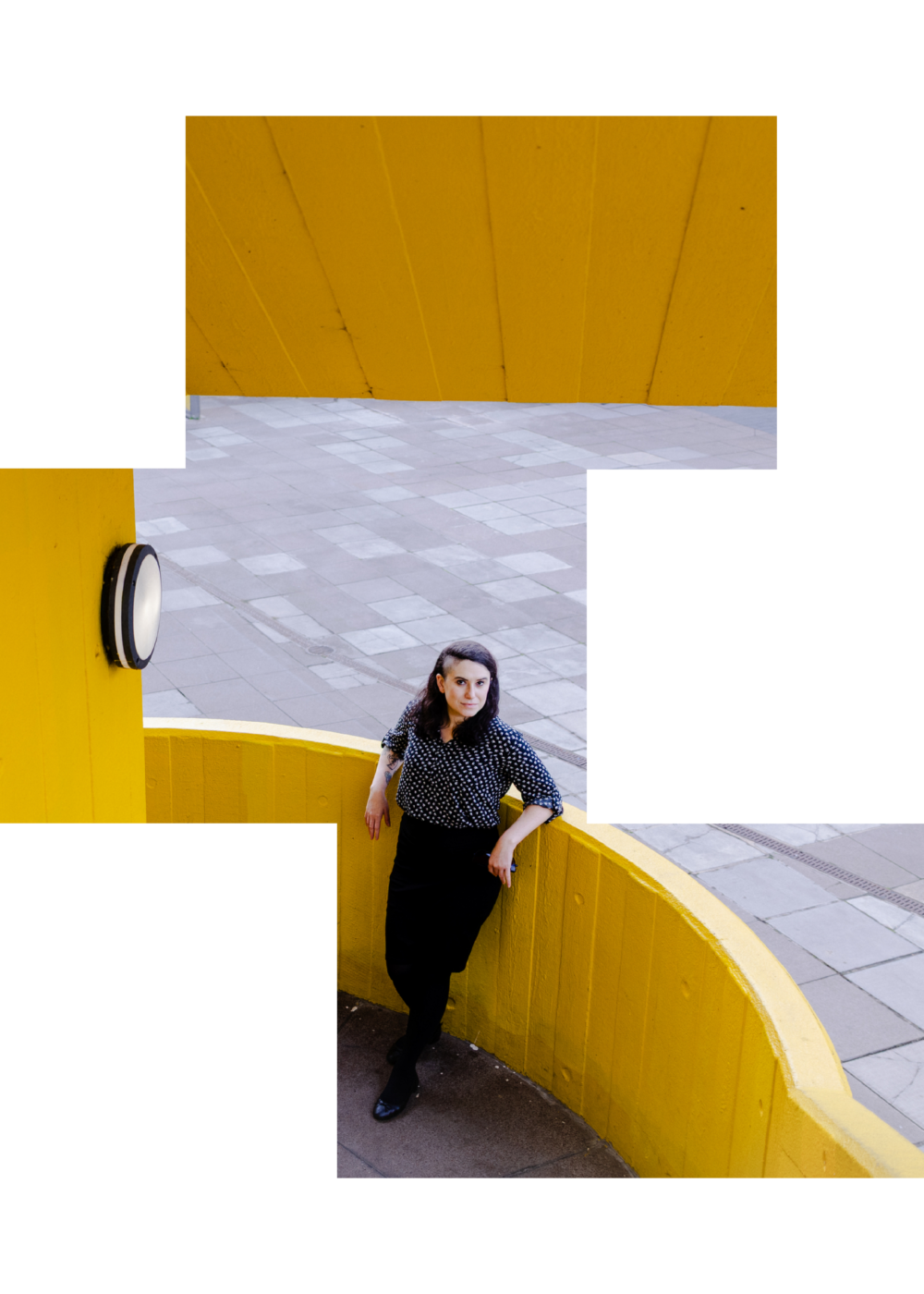
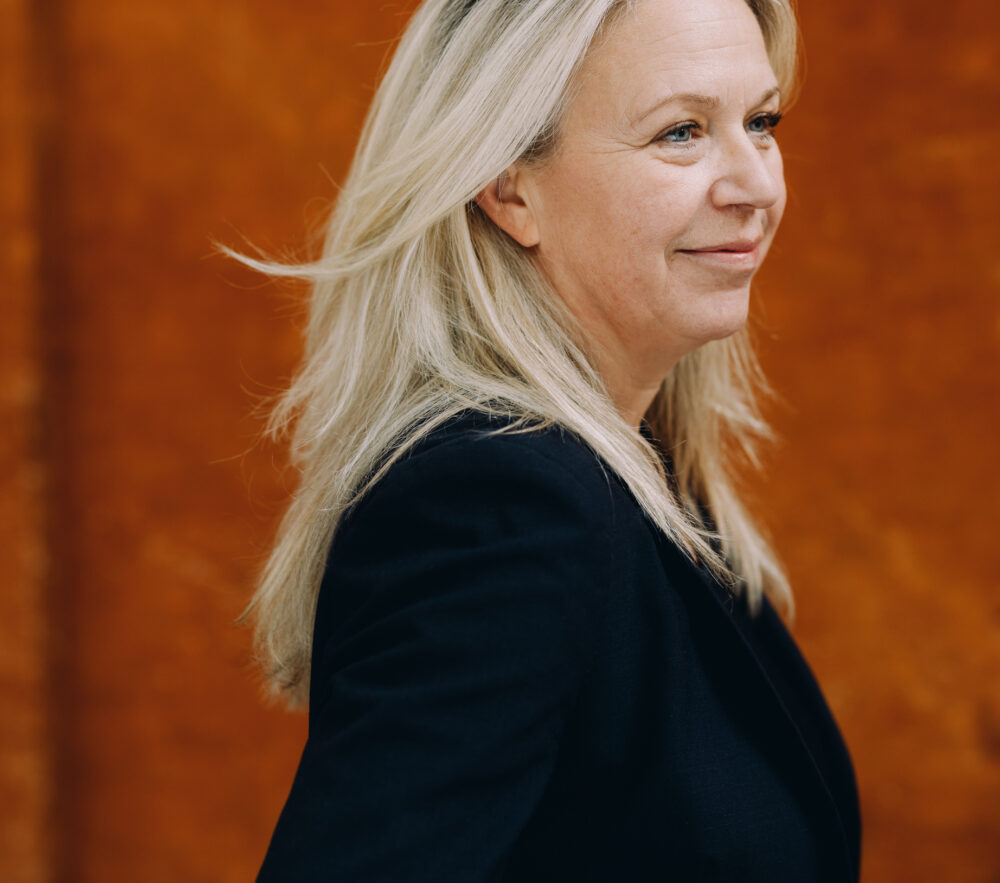
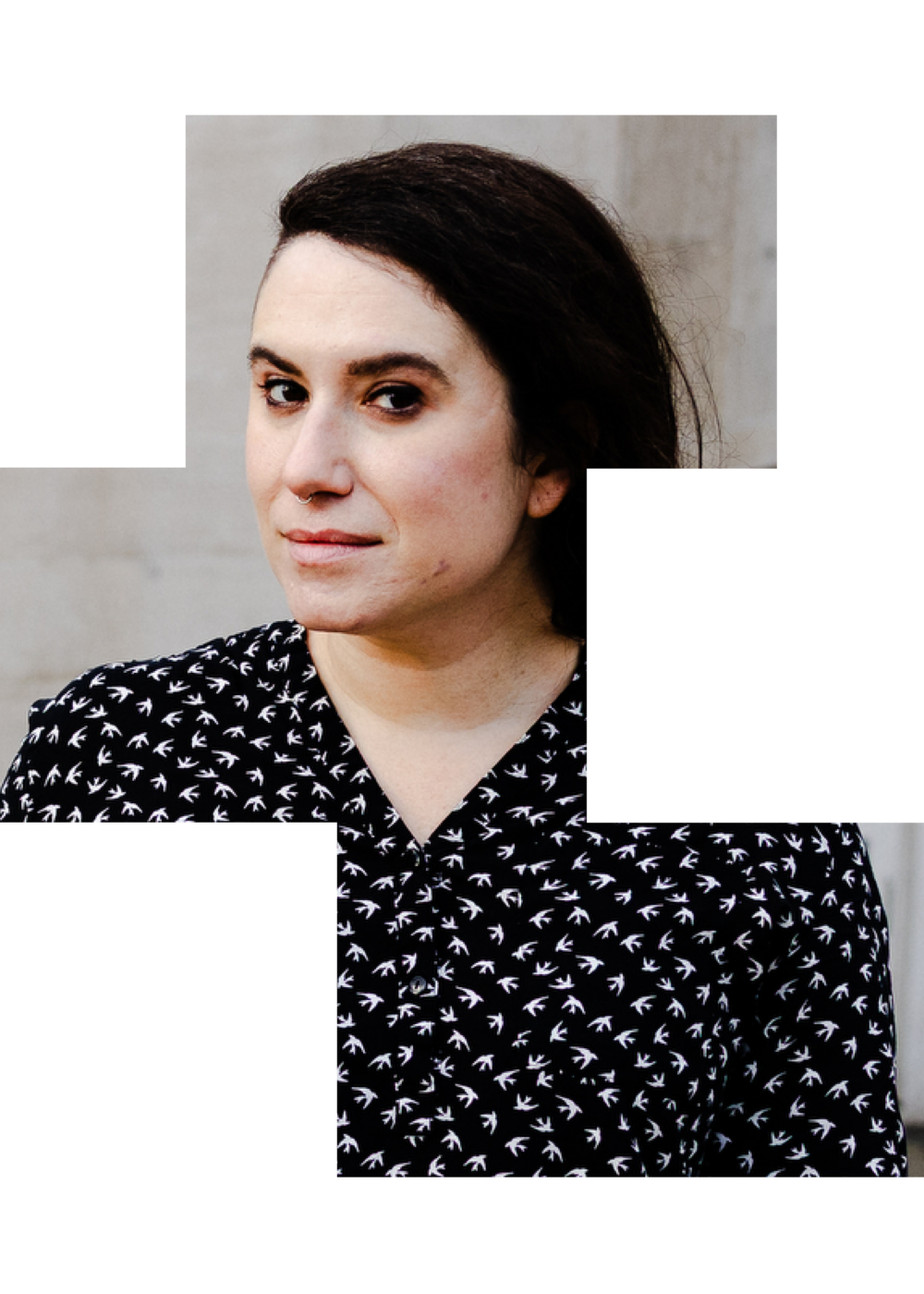
For Amanda, designing healthcare services starts with a simple reality: there is a person at the other end of every decision. 

As a Senior Business Consultant who specialises in content design, she approaches digital services through user-centred design. Her job is to understand what people need from a service and turn that understanding into information and journeys that help them act. 

Soon, she will bring that perspective to Netcompany’s biggest UK digital healthcare programme to date. Netcompany is working with NHS England across its seven national adult screening programmes, including bowel, cervical and breast cancers, supporting existing services while helping build the next generation of NHS-owned screening technology. 

For Amanda, the scale is significant. But it is the people within it that she keeps coming back to. 

»In these types of projects, it’s more apparent than ever that there are real people at the end of our decisions.« 

This is building what matters.  
Build for people, not assumptions

Amanda has a phrase she returns to when talking about digital services: »This is not Field of Dreams. ‘If you build it, they will come’ does not apply.« 

A service can work perfectly from a technical perspective and still fail the people it was designed for. Someone might not understand the information they receive. They might not feel comfortable taking part. They may not be confident using a digital service at all. 

That is where Amanda starts asking questions. 

»Who might struggle to use this? What assumptions are we making? Who have we not spoken to yet? Does the offline route work as well as the digital one? Could the language itself become a barrier? « 

For her, those questions are fundamental to good design. 

»This is why user research is so important,« she says. »We need to be speaking to a diverse range of users and continuously testing our assumptions with the people who rely on these services.« 

Screening makes that especially important because there is no single, neatly defined user group. These services need to work for people with different levels of digital confidence, accessibility needs, backgrounds and experiences of healthcare. Some screening programmes can also feel deeply personal or cause anxiety, adding another layer to how people understand and engage with them. 

»I think the biggest challenge will be to help design digital services that support all the different types of screening programmes, « she says. 

That perspective has been shaped through Amanda’s previous NHS work at Netcompany. She worked across services for both patients and GP surgery staff. Rather than trying to understand the staff experience from behind a screen, Amanda visited GP surgeries across northern England to see how registrations worked in practice. 

Those conversations helped her understand where information created friction, what staff actually needed from the service and how research could be translated into practical design decisions.  

»People tend to think that design is just the user interface layer on top of a technical solution that’s implemented,« she says. »But actually, the design should come first.« 

Her responsibility is not simply to write the words that appear once a service has already been designed; she »helps shape how we communicate with end users.« 

That means deciding what people need to know, when they need that information and how it should be structured so they can act on it. Research, feedback, data and analytics all inform those decisions. 

»My role is to design structured information to help users do something important, like get access to healthcare or keep their information up to date.« 

For Amanda, the words on the page are the visible part. The work underneath is understanding the user need well enough to know what those words need to achieve. 

Starting before the answers exist

Unlike many projects where designers join once a direction has already been established, much of the work here is still ahead. For Amanda, that is part of what makes the opportunity interesting. 

Her starting point is not to arrive with a ready-made solution. It is to understand how the existing services reached where they are today. »It’s good to have an understanding of the historical basis of, okay, this is where we’re at now, and how did we get here,« she says. 

The early work will mean learning from existing teams, understanding previous technology and design decisions, and building a clearer picture of what already works and where there is room to improve. 

From there, the questions Amanda cares about remain the same. »Who is this service for? What do they need from it? What assumptions are we making? And how do we know that what we design will actually work for them?« 

The answers will not always be straightforward. Screening sits within a complex healthcare environment where client decisions, policy changes and discoveries can change the direction of a service. Amanda expects the work to evolve, and sees continuous research and testing as essential to responding well when it does. 

For her, that is what makes user-centred design so important. It keeps the people affected by those decisions visible, even as the technology and wider programme change around them. 

»Making it easier for people to access and engage with important health services will benefit everyone – from citizens to the NHS.« 

Screening gives Amanda the opportunity to apply that thinking at a new scale, helping shape services from the point where many of the important questions are still open. 

And throughout the programme, the principle she started with remains the same: behind every journey, every design decision and every piece of data is a real person who needs the service to work for them.