FIVE LEARNINGS

Finding your feet and growing in a new project

Moving between projects is a natural part of working as a consultant. But joining a new project means getting to grips with unfamiliar systems, new colleagues and different ways of working. Whether you’re new to the company or moving into a different team, finding your feet takes time. 

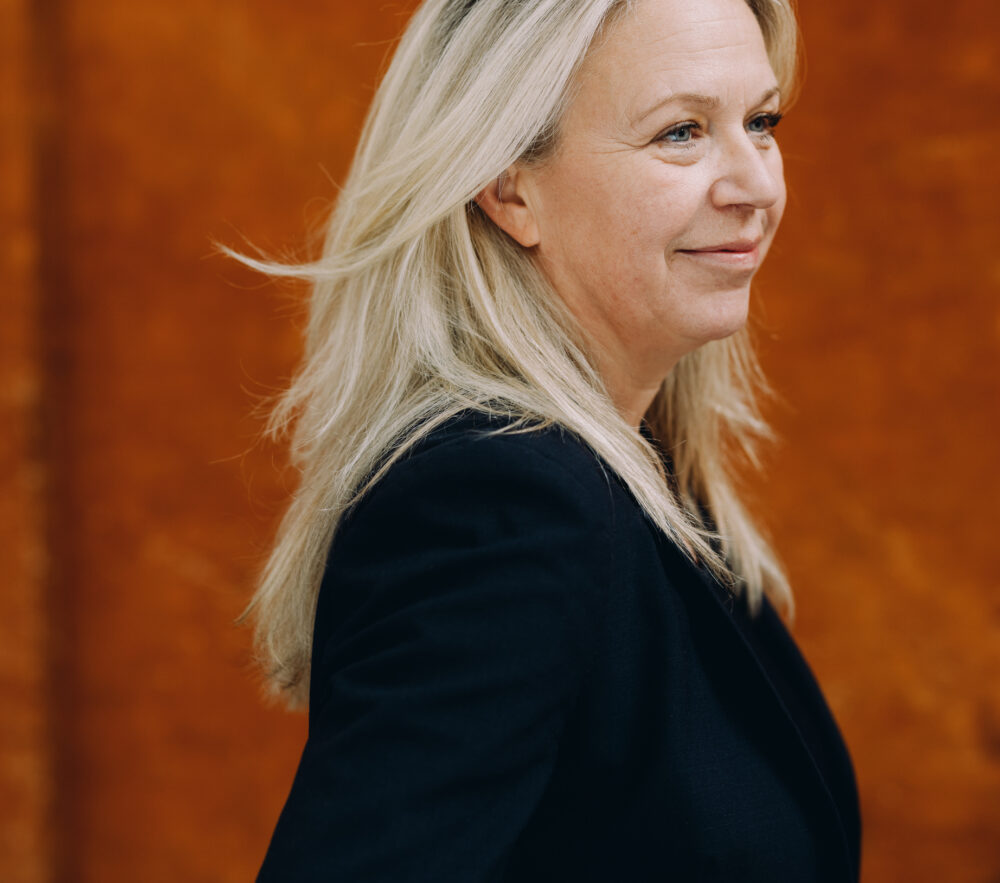
For Thái Mỹ Hương, Senior Consultant at Netcompany, helping colleagues settle into a project is about sharing knowledge, offering guidance and giving people the confidence to take on responsibility. Drawing on her own experiences and her role supporting others, she understands the challenges that come with stepping into unfamiliar territory. 

Here, she shares five learnings on finding your place in a new project team, building confidence and growing through new responsibilities. 

1.

Understand the bigger picture, not just your tasks

When you join a new project, there’s a lot to take in. You need to understand the systems, how the team works and what you’re expected to deliver. But I think it’s important to understand why the work matters and how your role fits into the bigger picture. 

That’s something I focus on when helping new colleagues settle in. I share what I’ve learned from my own experience, explain how things connect and help them understand where they can contribute. 

Not every task will be exactly what you hoped for, especially when you’re still new. But every experience can teach you something useful. My advice is to stay curious, keep developing your skills and think about how the responsibility you take today can prepare you for your next opportunity.

2.

Don’t underestimate the value you bring

When you’re new to a team, it can take time to feel confident in what you’re doing. You might be surrounded by experienced colleagues and wonder whether your contribution really makes a difference. 

But successful projects are never the work of just one person. Every problem solved, every task completed, and every time someone helps a colleague move forward contributes to what the team achieves. 

As a team lead, I make a point of recognising those contributions. If someone has solved a difficult problem or taken responsibility for something new, I want them to know I’ve noticed.

3.

Growth also means knowing your limits 

Starting on a new project often comes with the motivation to prove yourself. You want to learn quickly, contribute and show what you’re capable of. I understand that feeling.  

I’ve also learned that doing a good job means knowing your limits and being comfortable asking for support when you need it.  

You don’t have to know everything or solve every problem independently. Being open about challenges, asking for guidance and learning how to manage your responsibilities are important parts of becoming more confident in your role.

4.

Ask questions and learn from different perspectives

I try to help new colleagues understand the reasoning behind decisions rather than simply telling them what to do. Sometimes that means looking at a problem from a different angle or understanding why other colleagues might approach it differently. 

My advice is not to be afraid to ask questions or challenge your first assumptions. Understanding different perspectives helps you make better decisions, work more effectively with others and become more independent over time.

5.

Focus on progress, one challenge at a time

You don’t need to master everything at once. 

Small steps matter. Whether it’s solving a problem, picking up a new skill or handling a task on your own, every small achievement helps you grow. 

For me, an effective day is one where we’ve made meaningful progress, and people feel good about how we achieved it. You won’t always know what challenge comes next, but by learning and progressing every day, you’ll be better prepared when it arrives. 

Focus on progress, one challenge at a time

You don’t need to master everything at once. 

Small steps matter. Whether it’s solving a problem, picking up a new skill or handling a task on your own, every small achievement helps you grow. 

For me, an effective day is one where we’ve made meaningful progress, and people feel good about how we achieved it. You won’t always know what challenge comes next, but by learning and progressing every day, you’ll be better prepared when it arrives.