Case

How we helped the IND cut asylum registration to a day

Overview

Asylum registration in the Netherlands used to take days, with applicants passing between six organisations for interviews, medical checks and fingerprints. Today, applicants enter their details on a tablet while staff carry out checks in parallel. Over 80% of applications are now submitted within one working day.

Asylum registration in the Netherlands used to take days, with applicants passing between six organisations for interviews, medical checks and fingerprints. Today, applicants enter their details on a tablet while staff carry out checks in parallel. Over 80% of applications are now submitted within one working day.

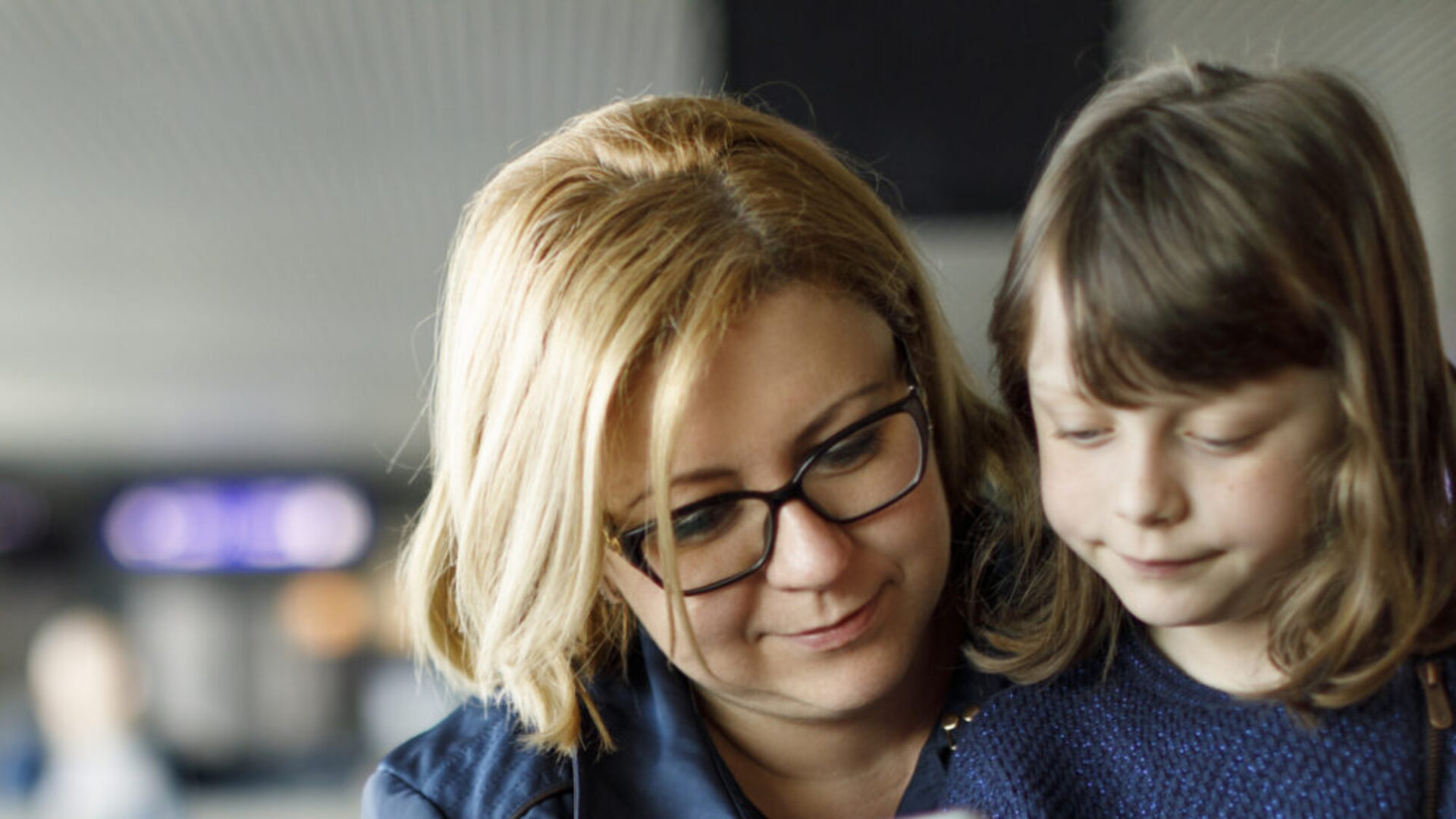
Photo: Dominique Krouwer, IND


»The self-service app gives applicants greater control over their application process. It has made us much faster, because many applicants can fill in their details at the same time in the waiting room.«

Daniëlle van der Heijden, Directeur Dienstverlenen, IND.

The full story

Challenge

For decades, the Dutch Immigration and Naturalisation Service (IND) has been the first stop for people seeking asylum in the Netherlands. Tens of thousands arrive at Ter Apel each year, and the IND checks each person’s identity and opens their case.

The rest of the process – medical assessment, fingerprints and a photo, registration in European databases, and security checks – involved six organisations, and every handover added waiting time. The process took several days on average.

The EU Pact on Migration and Asylum set a deadline: from 12 June 2026, screening must be completed within 72 hours of arrival. The IND decided to bring the different organisations together on a single digital platform, reducing the need for handovers between agencies.

The IND also wanted asylum seekers to complete their intake themselves on a tablet, above all to give them more control over their own application, but also to cut manual work and waiting time.

It set a target: 80% of applications submitted within one working day of arrival, well inside the pact’s 72 hours.


Solution

We built the core system on AMPLIO Lens, owned by the IND, bringing the organisations involved in asylum registration onto a single digital platform. Applicants can complete their intake on a tablet, with the information feeding directly into AMPLIO.

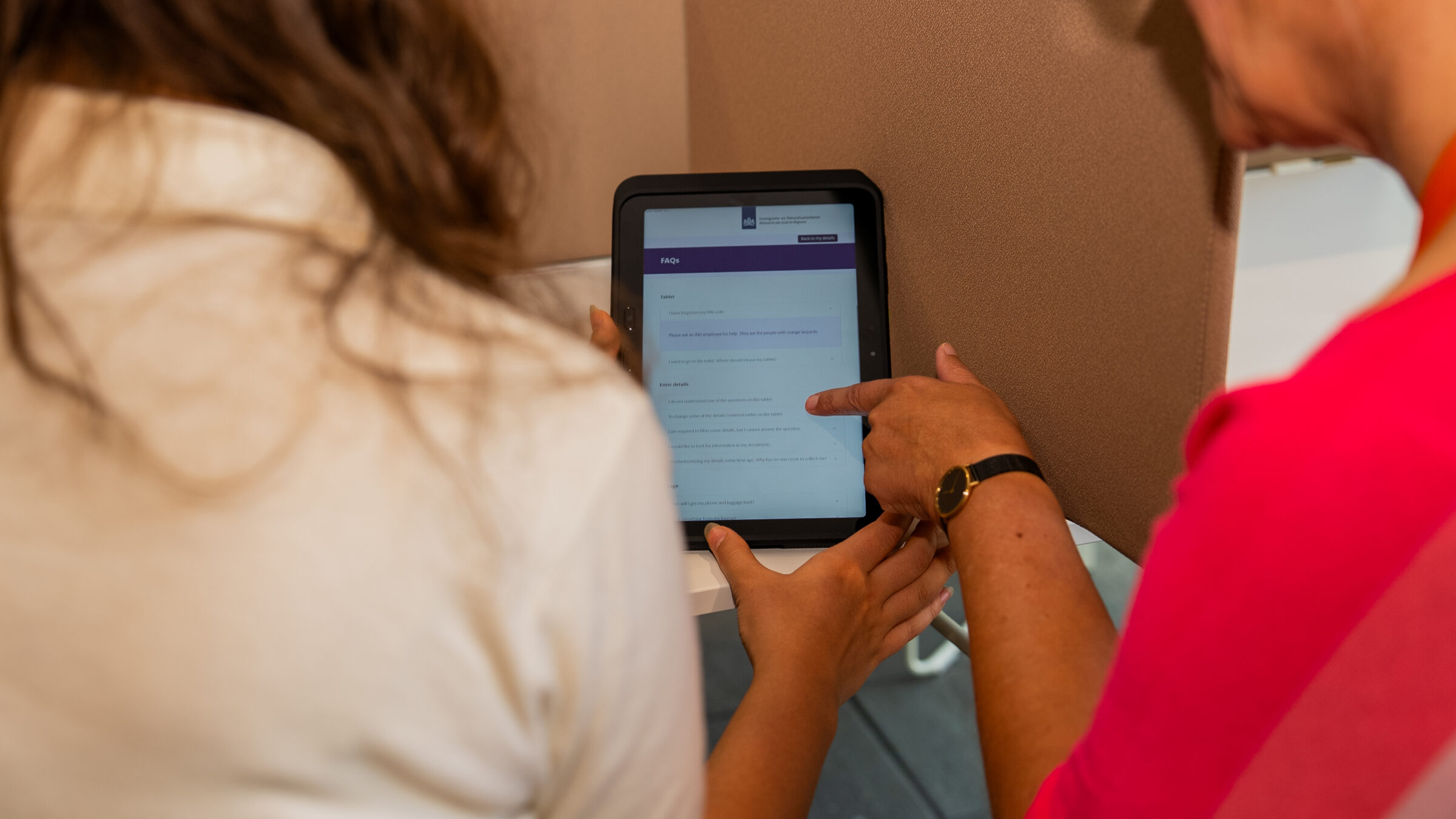
Today, when an asylum seeker arrives at Ter Apel, the IND opens a case in thew new system, and the applicant enters basic details on a tablet in one of 11 languages.

While the applicant completes the intake, staff carry out other checks in parallel. One employee takes fingerprints and a photograph. Others register vulnerabilities, record the results of document checks, or arrange a medical assessment.

The applicant also answers around 100 more detailed questions in one of 11 languages. The system translates the answers automatically and analyses them to establish the applicant’s country of origin, potentially triggering follow-up questions.

At the end, the applicant and a caseworker go through a summary together, and the applicant signs the application digitally.


Results

The core system and the tablet app went live on 12 June 2026, the day the pact took effect. Excluding the proof of concept, they were built in just 13 months.

Over 80% of applications are now submitted within one day, and most applicants complete the intake themselves on the app. If applicants are unable to prepare their applications themselves, they will receive assistance from IND staff. This assistance may involve helping them to enter details or provide resources if they have any physical limitations.

 

Challenge

For decades, the Dutch Immigration and Naturalisation Service (IND) has been the first stop for people seeking asylum in the Netherlands. Tens of thousands arrive at Ter Apel each year, and the IND checks each person’s identity and opens their case.

The rest of the process – medical assessment, fingerprints and a photo, registration in European databases, and security checks – involved six organisations, and every handover added waiting time. The process took several days on average.

The EU Pact on Migration and Asylum set a deadline: from 12 June 2026, screening must be completed within 72 hours of arrival. The IND decided to bring the different organisations together on a single digital platform, reducing the need for handovers between agencies.

The IND also wanted asylum seekers to complete their intake themselves on a tablet, above all to give them more control over their own application, but also to cut manual work and waiting time.

It set a target: 80% of applications submitted within one working day of arrival, well inside the pact’s 72 hours.


Solution

We built the core system on AMPLIO Lens, owned by the IND, bringing the organisations involved in asylum registration onto a single digital platform. Applicants can complete their intake on a tablet, with the information feeding directly into AMPLIO.

Today, when an asylum seeker arrives at Ter Apel, the IND opens a case in thew new system, and the applicant enters basic details on a tablet in one of 11 languages.

While the applicant completes the intake, staff carry out other checks in parallel. One employee takes fingerprints and a photograph. Others register vulnerabilities, record the results of document checks, or arrange a medical assessment.

The applicant also answers around 100 more detailed questions in one of 11 languages. The system translates the answers automatically and analyses them to establish the applicant’s country of origin, potentially triggering follow-up questions.

At the end, the applicant and a caseworker go through a summary together, and the applicant signs the application digitally.


Results

The core system and the tablet app went live on 12 June 2026, the day the pact took effect. Excluding the proof of concept, they were built in just 13 months.

Over 80% of applications are now submitted within one day, and most applicants complete the intake themselves on the app. If applicants are unable to prepare their applications themselves, they will receive assistance from IND staff. This assistance may involve helping them to enter details or provide resources if they have any physical limitations.



More cases

A trusted partner for immigration

Want to learn more?

Reach out to

Bas Michielsen