FIVE LEARNINGS
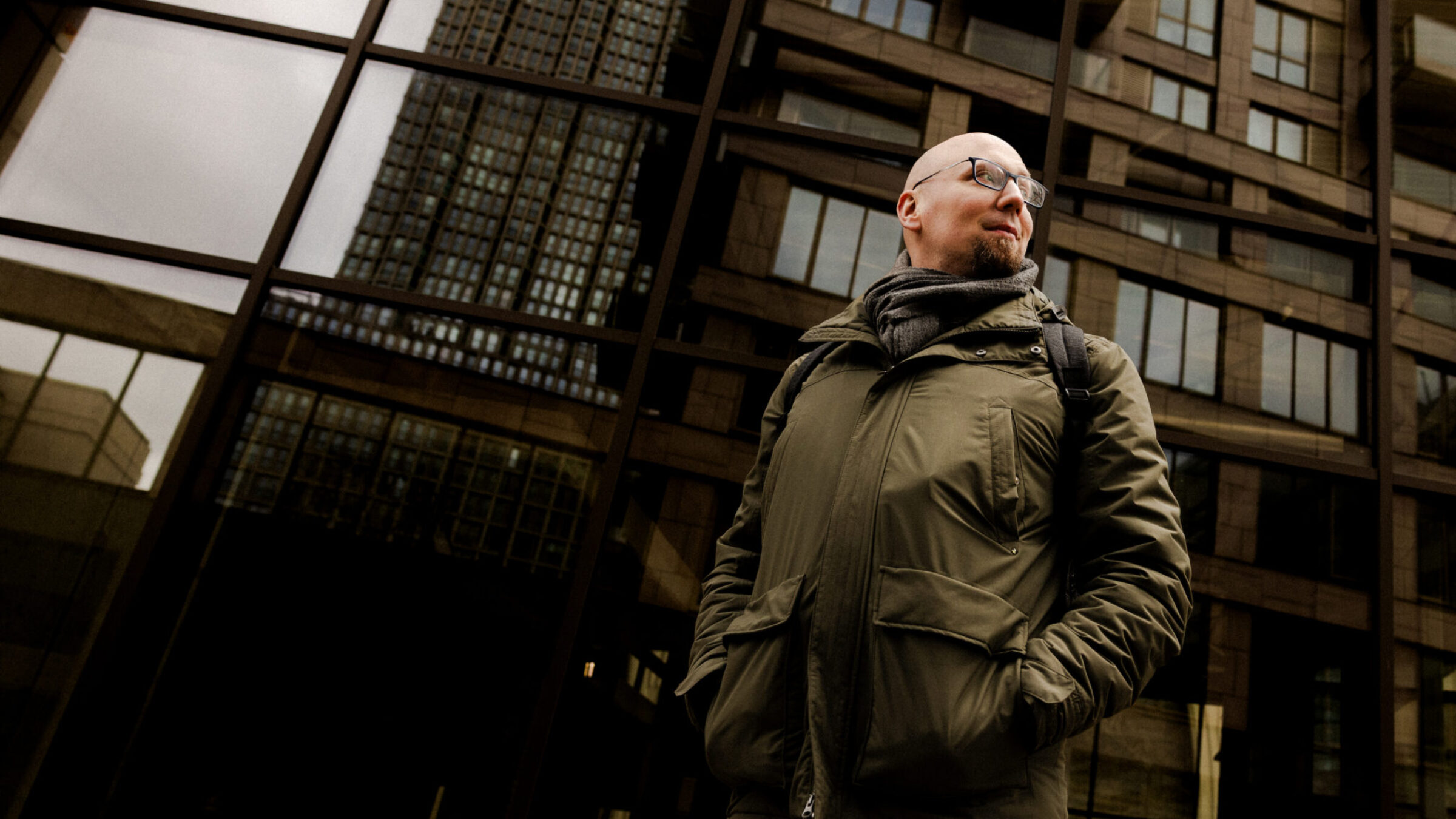
On creating the conditions for teams to succeed from Manager Frank Visser
1.
Build teams deliberately, like professional sports squads
I think of teams like professional sports squads, rather than “families”. Family sounds unconditional; work is different. To build high-performance teams, we need to be sharp: people with different strengths, working toward a shared, measurable goal. Success comes from choosing the right mix of skills and personalities. That’s why diversity matters, and why I often use sports activities in our teams to underline that dedication, strategy, and teamwork drive performance.
Build teams deliberately, like professional sports squads
I think of teams like professional sports squads, rather than “families”. Family sounds unconditional; work is different. To build high-performance teams, we need to be sharp: people with different strengths, working toward a shared, measurable goal. Success comes from choosing the right mix of skills and personalities. That’s why diversity matters, and why I often use sports activities in our teams to underline that dedication, strategy, and teamwork drive performance.
2.
Facilitate your
team’s success
High-quality delivery depends on clarity: everyone knows their role and what they’re accountable for. Where I’m responsible for the overall picture and process, I trust my team to handle the technical details. My focus stays on supporting my team. If something goes wrong, ultimately it’s my responsibility. If it goes well, it’s the team’s achievement. This creates trust, and trust is what allows people to bring forward their best ideas.
Facilitate your
team’s success
High-quality delivery depends on clarity: everyone knows their role and what they’re accountable for. Where I’m responsible for the overall picture and process, I trust my team to handle the technical details. My focus stays on supporting my team. If something goes wrong, ultimately it’s my responsibility. If it goes well, it’s the team’s achievement. This creates trust, and trust is what allows people to bring forward their best ideas.
3.
Make progress safe
by allowing failure
I encourage people to operate outside their comfort zone. Mistakes will happen. When something doesn’t work as expected, I don’t step in to fix it immediately. Instead, I ask two things: “How can I help?” and “What do you need to succeed next time?”. Every stumble on a new challenge is a step forward. This mindset accelerates learning and builds confidence across the team.
Make progress safe
by allowing failure
I encourage people to operate outside their comfort zone. Mistakes will happen. When something doesn’t work as expected, I don’t step in to fix it immediately. Instead, I ask two things: “How can I help?” and “What do you need to succeed next time?”. Every stumble on a new challenge is a step forward. This mindset accelerates learning and builds confidence across the team.
4.
Replace “we can’t”
with “how can we?”
Even strong teams may initially respond to challenges with “that’s not possible”. However, most of the time, the question isn’t about possibility. It’s about choices. Asking “how can we?” shifts our mindset to focus on solutions rather than problems. It helps us evaluate alternatives responsibly and make decisions based on facts rather than assumptions. Even if we choose not to pursue a path, we reject it for the right reasons.
Replace “we can’t”
with “how can we?”
Even strong teams may initially respond to challenges with “that’s not possible”. However, most of the time, the question isn’t about possibility. It’s about choices. Asking “how can we?” shifts our mindset to focus on solutions rather than problems. It helps us evaluate alternatives responsibly and make decisions based on facts rather than assumptions. Even if we choose not to pursue a path, we reject it for the right reasons.
5.
Strive to be one step
better every day
Starting taekwondo at 38 meant standing as a white belt among black belts, learning to find my own pace while training alongside the best. It taught me that even when we travel to tournaments together as a team, we each eventually step onto our own mat to face our specific challenges.
I’ve realised that trying to take ten steps at once is a recipe for failure, so I simply aim to be 1% better today than I was yesterday. By the end of the year, those small daily wins add up to 365 steps of progress. I bring this same philosophy to our projects and teams; instead of stressing over a necessary 30% jump in quality, we focus on that first 1% and then just refuse to stop improving. This shift removes the pressure to be perfect instantly and honours the individual journey within the collective effort. It transforms overwhelming challenges into a manageable, shared path where progress is possible every single day.
Strive to be one step
better every day
Starting taekwondo at 38 meant standing as a white belt among black belts, learning to find my own pace while training alongside the best. It taught me that even when we travel to tournaments together as a team, we each eventually step onto our own mat to face our specific challenges.
I’ve realised that trying to take ten steps at once is a recipe for failure, so I simply aim to be 1% better today than I was yesterday. By the end of the year, those small daily wins add up to 365 steps of progress. I bring this same philosophy to our projects and teams; instead of stressing over a necessary 30% jump in quality, we focus on that first 1% and then just refuse to stop improving. This shift removes the pressure to be perfect instantly and honours the individual journey within the collective effort. It transforms overwhelming challenges into a manageable, shared path where progress is possible every single day.