Building what matters


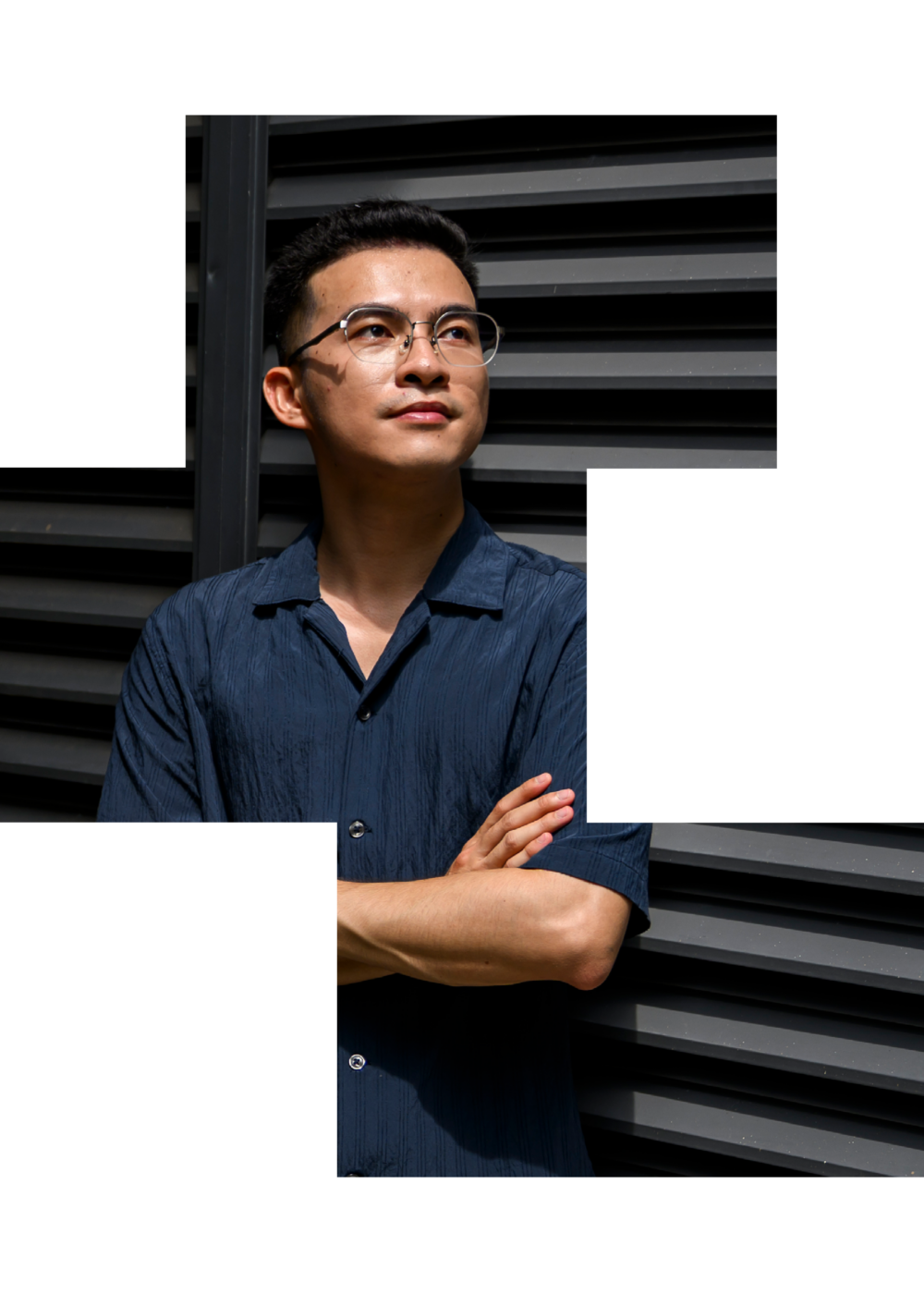
Lê Đỗ Trọng on modernising a platform that supports everyday communication at scale 


Lê Đỗ Trọng is leading the front-end transformation of a widely used digital communication platform relied on by millions in their daily lives. Working across teams, time zones, and priorities, he navigates the constant balance between evolving a complex system and keeping it stable for the people who depend on it. 

As Lead Software Engineer and local project lead in Vietnam, he is driving the transition from an outdated framework to a modern, maintainable solution, aligning client expectations, technical realities, and user needs along the way. 

The work goes beyond a technical upgrade. It’s about improving how people interact with a system they rely on every day, while building a stronger foundation for what comes next. This is building what matters. 
Rebuilding the foundation

At the core of the project is a full upgrade of the application’s front-end framework and its dependencies. The goal is to align with client requirements while bringing the system in line with current best practices. 

For Trọng, the work starts with the fundamentals. 

Before introducing the new version, the team had to stabilise and organise the existing codebase. »The old system needed to be optimised and cleaned up to make the upgrade possible,« he says. »Without that step, moving forward would only carry over technical issues into the new version.« 


  • »The upgrade is not about adding new features. It is about creating a clean, maintainable foundation that allows the system to grow over time, while improving usability for the people who rely on it every day.«


Balancing progress and constraints

One of the biggest challenges was not technical, but strategic. 

»We had important conversations early on about how to create the most value with the upgrade,« Trọng shares. From the client’s perspective, it was essential to ensure that time and resources were invested in a way that delivered clear and meaningful outcomes. The benefits of a large-scale rewrite are not always immediately visible, which made it important to align on the right approach. 

Trọng played a key role in bridging that perspective.  

He focused on shaping a solution that balanced long-term technical improvements with the client’s priorities. »Instead of pushing for a fast, resource-heavy upgrade, the team adjusted the approach to fit the client’s priorities,« he says.  

Trọng spread the work into smaller releases, delivering incremental improvements over time. Only one dedicated resource was assigned, allowing the upgrade to progress without disrupting ongoing feature development. 

It was a pragmatic approach that ensured continuous progress while supporting both immediate needs and long-term goals. 

Making careful decisions

Every decision in the project comes back to balance. 

The team needed to modernise the system without disrupting users. That meant introducing design changes carefully, improving the experience without making it unfamiliar. 

They also had to ensure that the technical direction supports long-term development. Following best practices and maintaining a clean codebase is not only about today’s delivery, but about making it easier for future developers to contribute. 

For Trọng, this is a constant consideration. »You cannot implement every requested feature if it conflicts with the overall system design,« he says. »Each decision needs to support both the current needs and the long-term stability of the application.« 

Building for what comes next

Looking ahead, the work continues beyond the upgrade. 

The next step is to further improve the user interface and refine the overall experience. This means balancing three perspectives at the same time: user needs, client requirements, and system integrity. 

For Trọng, the priority is clear. Any change should improve the experience for users, not complicate it. 

At the same time, the system must remain structured and consistent, so new developers can easily understand and build on it. Following best practices is what makes that possible. 

In the end, the project is not just about replacing an old framework. It is about building a system that works better for everyone involved, today and in the future.