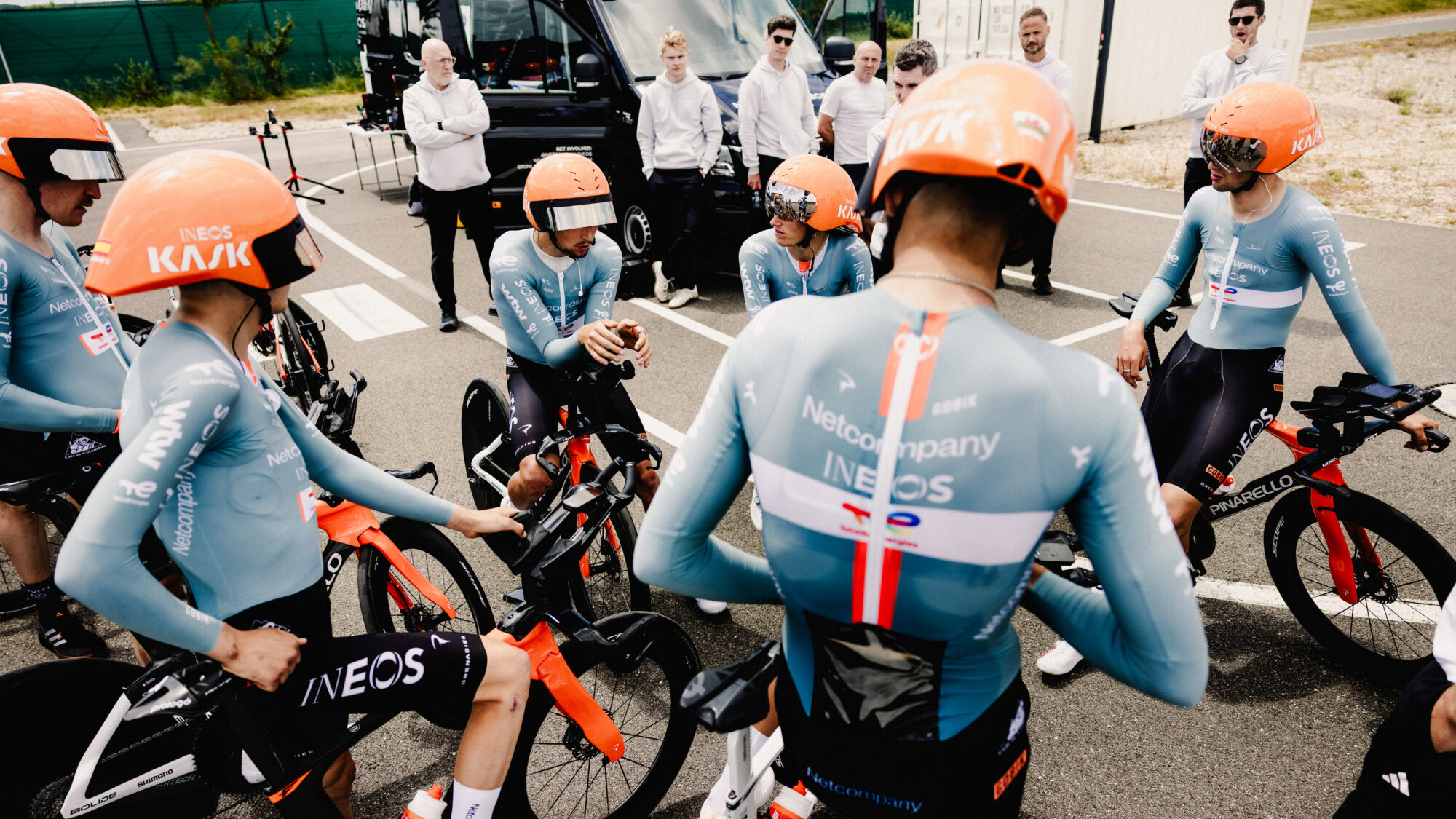
Building technology where timing matters

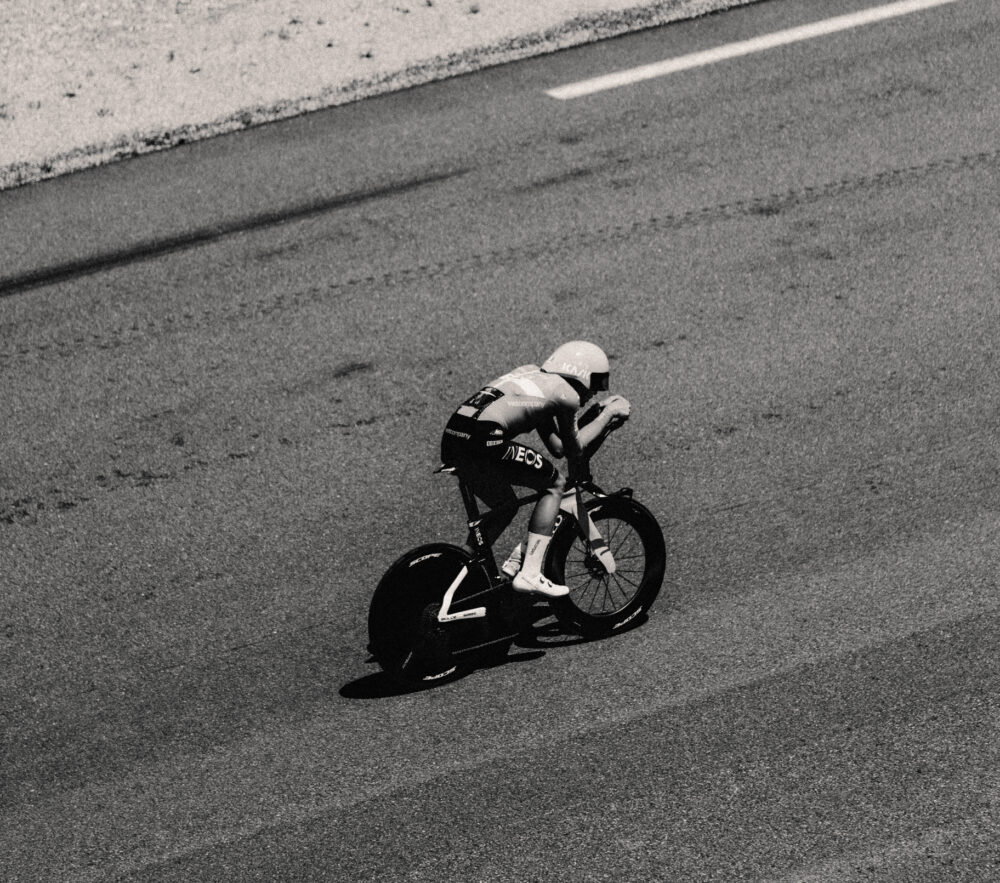

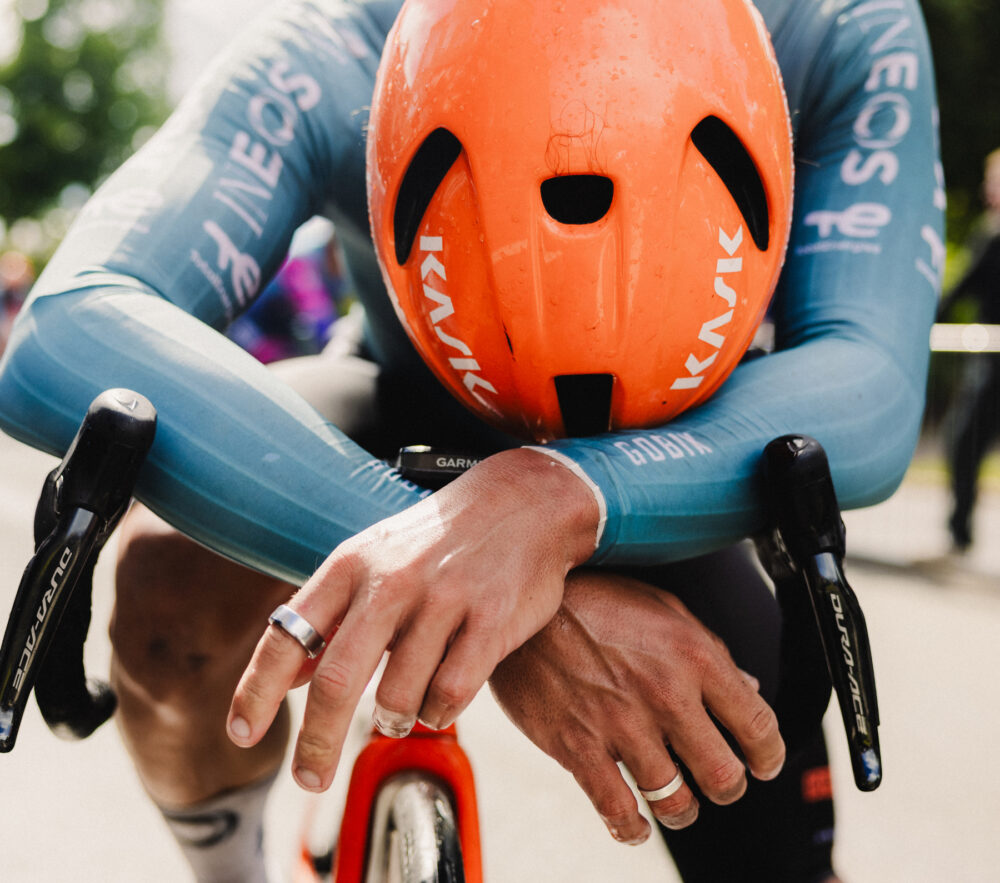
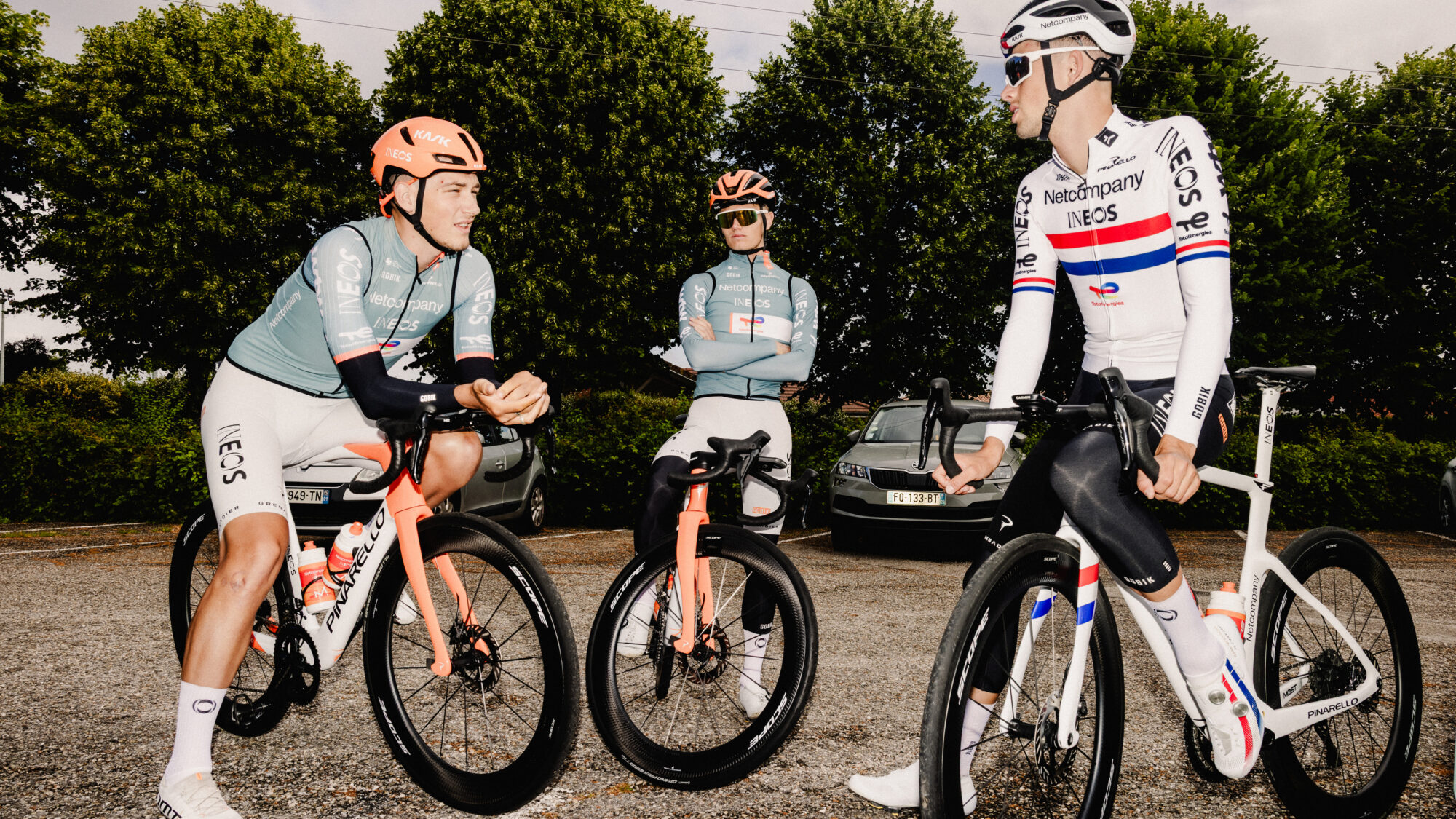
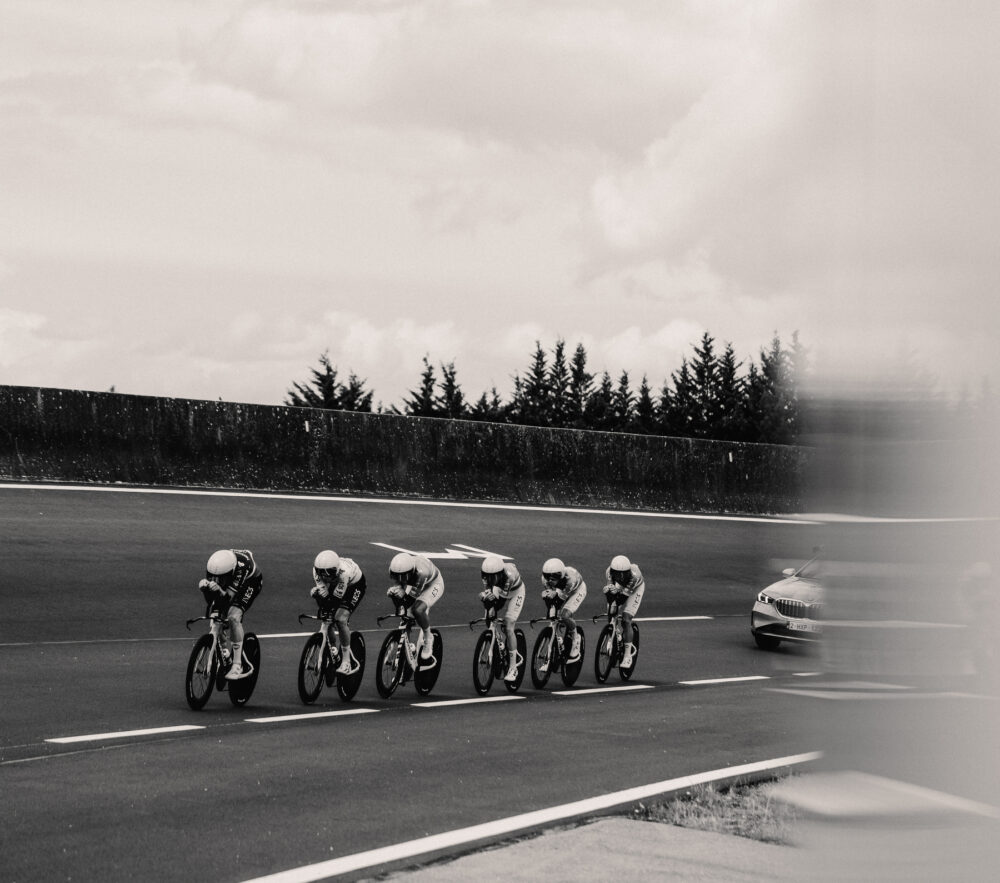
In elite cycling, the race is never only decided on the road – it is shaped by performance and by decisions made in real time. That principle also sits at the core of the partnership between Netcompany and INEOS .
At the 2026 Giro d’Italia, the team raced as Netcompany INEOS Cycling Team for the first time. The five-year co-title partnership brings together INEOS’ evidence-based performance culture with Netcompany’s experience in complex operational systems.
The ambition is to use PULSE to connect data across training, racing, logistics and operations, creating a clearer foundation for how the team prepares, adapts and performs.
Cycling already generates vast amounts of data, from power output and heart rate to route profiles, weather conditions and recovery patterns. The challenge is turning that information into something actionable when the pace shifts and the next decision cannot wait.
PULSE is built to connect these data sources and support real-time collaboration. In cycling, that means helping coaches, riders, mechanics, analysts and logistics teams work from the same live picture.
But before a platform can support decisions in race conditions, the team building it has to understand the environment it enters.

Building around
real pressure
For the Netcompany teams working on the platform, the task is both technical and practical. Data flows need to be reliable. AI-driven insights need to be timely and relevant. Interfaces need to make sense in moments that define a race.
It is the kind of project where many disciplines meet. Project leadership, data consulting, development, AI, integration and user experience all solve different parts of the same challenge: turning a complex flow of information into something people can use.
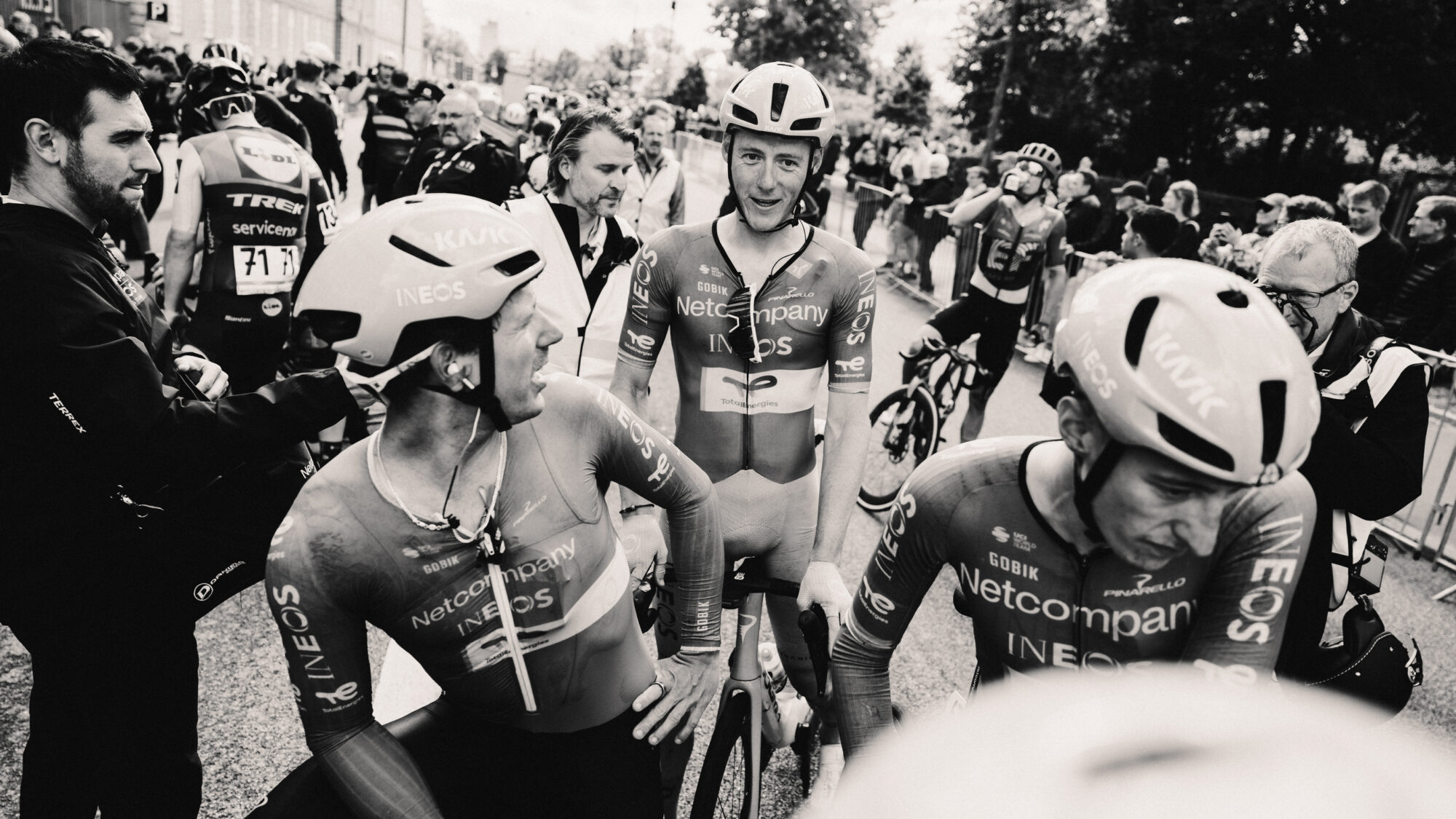
It also requires a different way of working for the Netcompany team as they build the solution. A professional cycling team is not a traditional organisation. The rhythm is shaped by races, travel, training, recovery, media attention, and strict confidentiality. Much of the information shared is sensitive and strategic, which means trust and discretion are part of the delivery from the beginning.
The learning curve has been steep. But the challenge is also what makes the project valuable. To build something useful, the team has to understand the parameters that matter in this environment, from performance data to logistics, from daily operations to race strategy.
»The setting is new, but the challenge is familiar. Just like in airports or rail networks, this is about connecting complex data so people can make better decisions when timing matters.«
That is what makes the project different: taking technology designed for complex operational environments and applying it to one of the most demanding settings in sport.