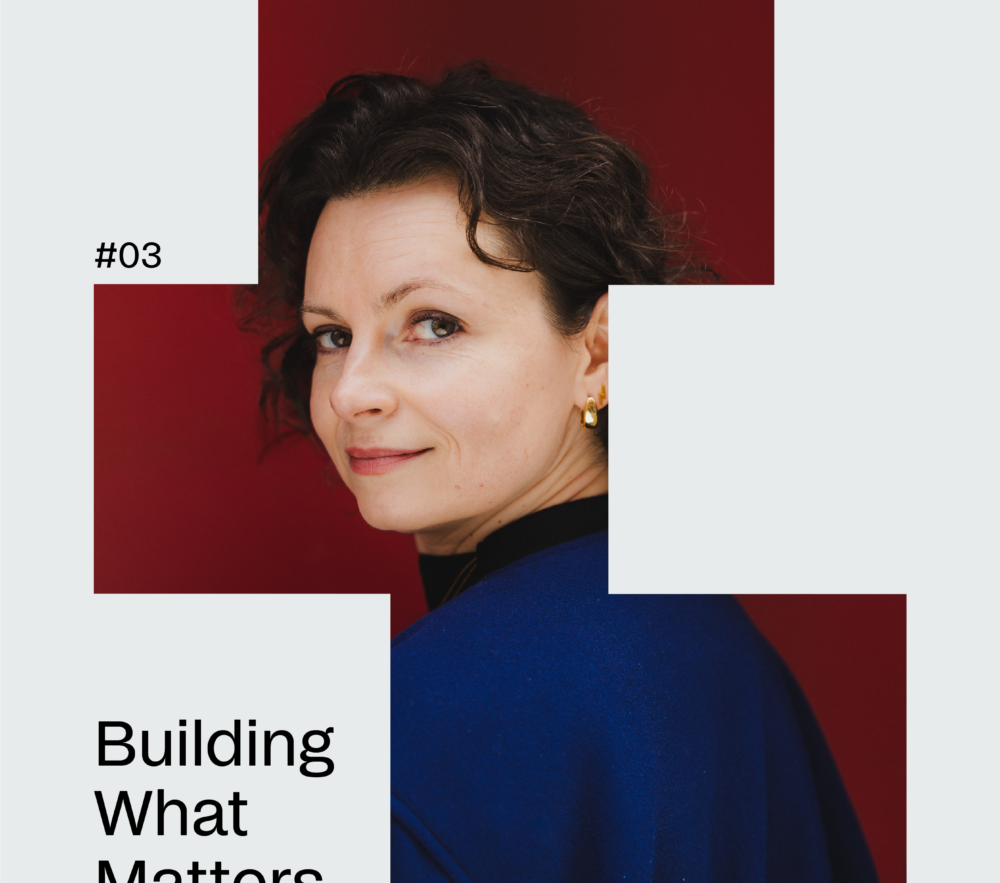
FIVE
LEARNINGS
Five learnings from Simon Strandly Brandt
on going from student life to full-time responsibility

Five learnings from Simon Strandly Brandt
on going from student life to full-time responsibility
Starting full-time after university is more than a practical shift. It means adapting to new expectations, building confidence, and learning how to navigate professional life. For Simon, that process began at Netcompany, where he transitioned from student assistant to consultant on a large public-sector project. Since then, he has taken on responsibility, advancing to senior consultant, and lately, he has stepped into a new role as team lead. Here, he shares five key learnings from his transition from student life to leadership, and from joining the project as a student assistant to helping shape its success as a leader.
When I moved from being a student assistant to starting full-time, I also moved to a different project, so it was a big transition. But it really helped that I already knew Netcompany beforehand. Even if you have not worked at the company before, spending some time learning about the company’s solutions and culture can be beneficial. It gives you a sense of security in the beginning, which makes the first period feel less unfamiliar or daunting.
When I moved from being a student assistant to starting full-time, I also moved to a different project, so it was a big transition. But it really helped that I already knew Netcompany beforehand. Even if you have not worked at the company before, spending some time learning about the company’s solutions and culture can be beneficial. It gives you a sense of security in the beginning, which makes the first period feel less unfamiliar or daunting.



At the beginning of my full-time career, I learned that the basics matter just as much as the work itself. Building a simple routine and introducing structure into your day by keeping track of tasks and staying on top of status updates makes everything feel smoother.
At university, you’re accountable only to yourself. In working life, colleagues, clients, and project managers depend on you. Good habits help provide consistency without requiring you to think through everything from scratch every day. Finding a reliable way to manage your to-do list is one piece of advice I would strongly recommend.
I quickly learned the importance of asking for help and knowing how to do it. You should always try to solve the problem yourself first. When you realise that you need help, be clear and concise about what questions you need to ask to get the right help. Take your time to formulate the question properly. In my experience, I get the best answers when I don’t ask multiple questions at once.
I quickly learned the importance of asking for help and knowing how to do it. You should always try to solve the problem yourself first. When you realise that you need help, be clear and concise about what questions you need to ask to get the right help. Take your time to formulate the question properly. In my experience, I get the best answers when I don’t ask multiple questions at once.


Becoming a team lead was one of the biggest turning points in my career. I stepped into the role from one day to the next and faced challenges I didn’t yet know how to handle. Learning to delegate was difficult because it required letting go of control. I had to trust my colleagues to solve problems in their own way, and they had to trust me to distribute work fairly. My biggest learning was that leadership isn’t about being the person with all the answers. It’s about enabling the strengths of the people around you.
Becoming a team lead was one of the biggest turning points in my career. I stepped into the role from one day to the next and faced challenges I didn’t yet know how to handle. Learning to delegate was difficult because it required letting go of control. I had to trust my colleagues to solve problems in their own way, and they had to trust me to distribute work fairly. My biggest learning was that leadership isn’t about being the person with all the answers. It’s about enabling the strengths of the people around you.

When you start full-time, it’s easy to focus only on the task in front of you: the code you need to write, the requirement you need to understand, or the next deadline you need to meet. But I’ve learned that motivation grows when you understand the impact of your work. Working on the debt overview system showed me how software can create value far beyond the development team. The solution supports both public institutions and citizens and enables citizens to view and pay their public debt with ease through digitalisation. It showed me that even as a new consultant, you can contribute to something that has real value for people and society.
My advice is to stay curious about the bigger picture. Understanding who benefits from your work and why it matters makes it all more meaningful.
When you start full-time, it’s easy to focus only on the task in front of you: the code you need to write, the requirement you need to understand, or the next deadline you need to meet. But I’ve learned that motivation grows when you understand the impact of your work. Working on the debt overview system showed me how software can create value far beyond the development team. The solution supports both public institutions and citizens and enables citizens to view and pay their public debt with ease through digitalisation. It showed me that even as a new consultant, you can contribute to something that has real value for people and society.
My advice is to stay curious about the bigger picture. Understanding who benefits from your work and why it matters makes it all more meaningful.