Overview
Nesodden Municipality needed a more efficient way to process cases. Together, we developed Saksassistenten, an AI-powered assistant that gathers information so caseworkers can spend their time on the work that needs their expertise.
Case
Overview
Nesodden Municipality needed a more efficient way to process cases. Together, we developed Saksassistenten, an AI-powered assistant that gathers information so caseworkers can spend their time on the work that needs their expertise.
Nesodden Municipality needed a more efficient way to process cases. Together, we developed Saksassistenten, an AI-powered assistant that gathers information so caseworkers can spend their time on the work that needs their expertise.
Aspect: 4:5
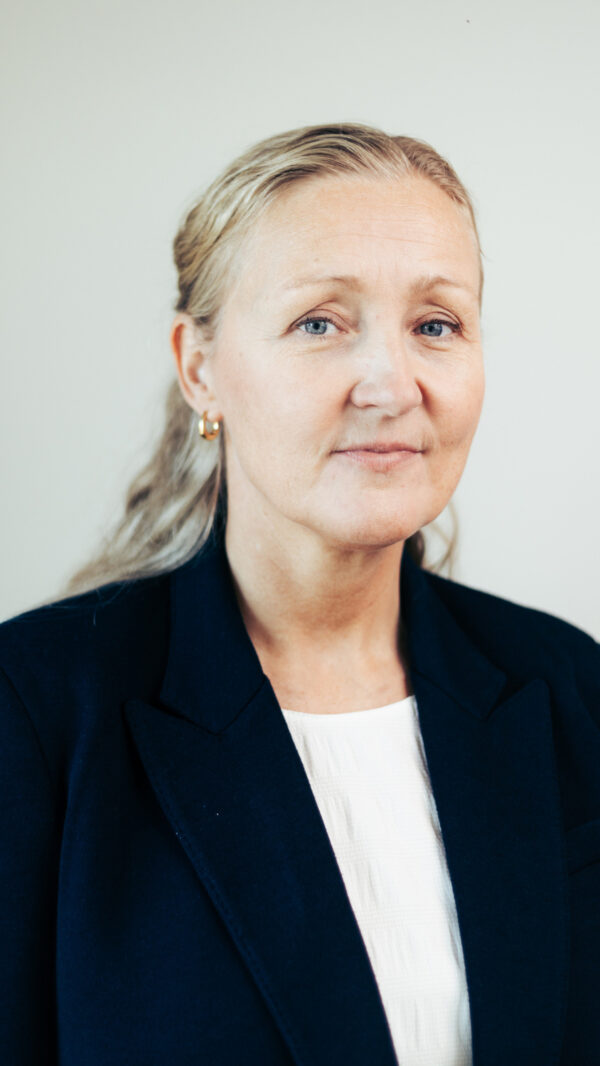
Esther Gilen, Asst. Director, Nesodden Municpality
The challenge
Faster answers, higher quality and lower costs. That was what Nesodden Municipality, just across the fjord from the Norwegian capital Oslo, set out to achieve when it began to rethink its case processing.
Before, a caseworker would work their way through a checklist of 300 items, comparing the application with national and local rules, just to process a single building case.
The work was done manually, with information collected from zoning plans, public map data, the land register, and the applicant’s documents. In complex cases, a project description alone could run to more than 100 pages.
Karoline Klevan, architect and caseworker at Nesodden Municipality, explains how manual tasks could dominate her work.
»Just gathering the information could take anything from two hours to several working days. Simple checks took a lot of time, like making sure the list of neighbours matched the people who actually live next door,« says Karoline Klevan.
Deadlines were difficult to meet. And the problem was bigger than just building applications. With limited income, a growing need for care as the population ages, and fewer people to do the work, something had to be done, says Esther Gilen. She is Assistant Director at Nesodden Municpality
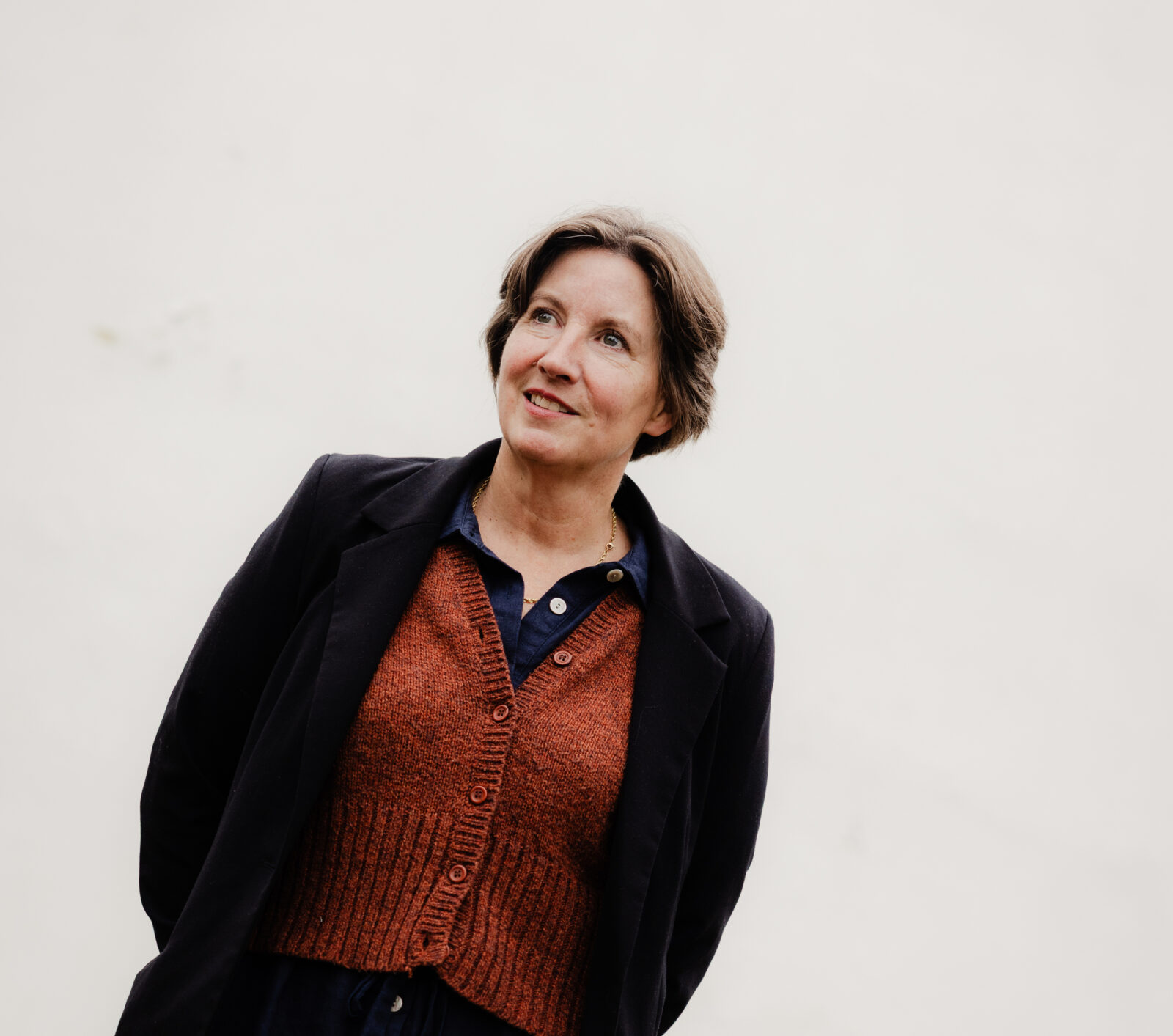
Asst. Director, Nesodden Municpality
The solution
That is why we built Saksassistenten, an AI-powered assistant that collects the information necessary to process a case and makes it visible before the caseworker has even opened it.
In just six months, the solution was developed in close collaboration. Utilising agentic AI in the process made the rapid development and implementation possible, says Kristin Brørs, Head of Business Development in Public Sector at Netcompany.
»We have gained agentic AI tools that our developers, designers, and testers use every day which let us work much faster than before,« says Kristin Brørs.
AI is also a central part of the solution itself. When a caseworker opens a case, the assistant has already collected the information in one place, read the architectural drawings, and gone through the long checklist.
It shows the caseworker where to take a closer look, and the assistant drafts the decision and any letter requesting missing information, so fewer cases stall halfway through.
»We use AI to turn large amounts of information into something a person can easily understand and trace back to its source,« says Kristin Brørs.
Every control the assistant carries out is logged with its sources, so anyone reviewing the case can see what the AI did.
While AI gathers information, caseworkers are still responsible for every decision, says Karoline Klevan.
»Many people think the AI processes the applications. It doesn’t. A person assesses every case, and a person makes every decision,« she says.
Saksassistenten runs on Feniks AI, our platform for AI built on European infrastructure. Nesodden’s data is stored and processed in Europe, and the solution is not tied to a single language model. Up to 80 per cent of the solution can be reused in other areas of the municipality’s case processing, and it is already expanding to social services.
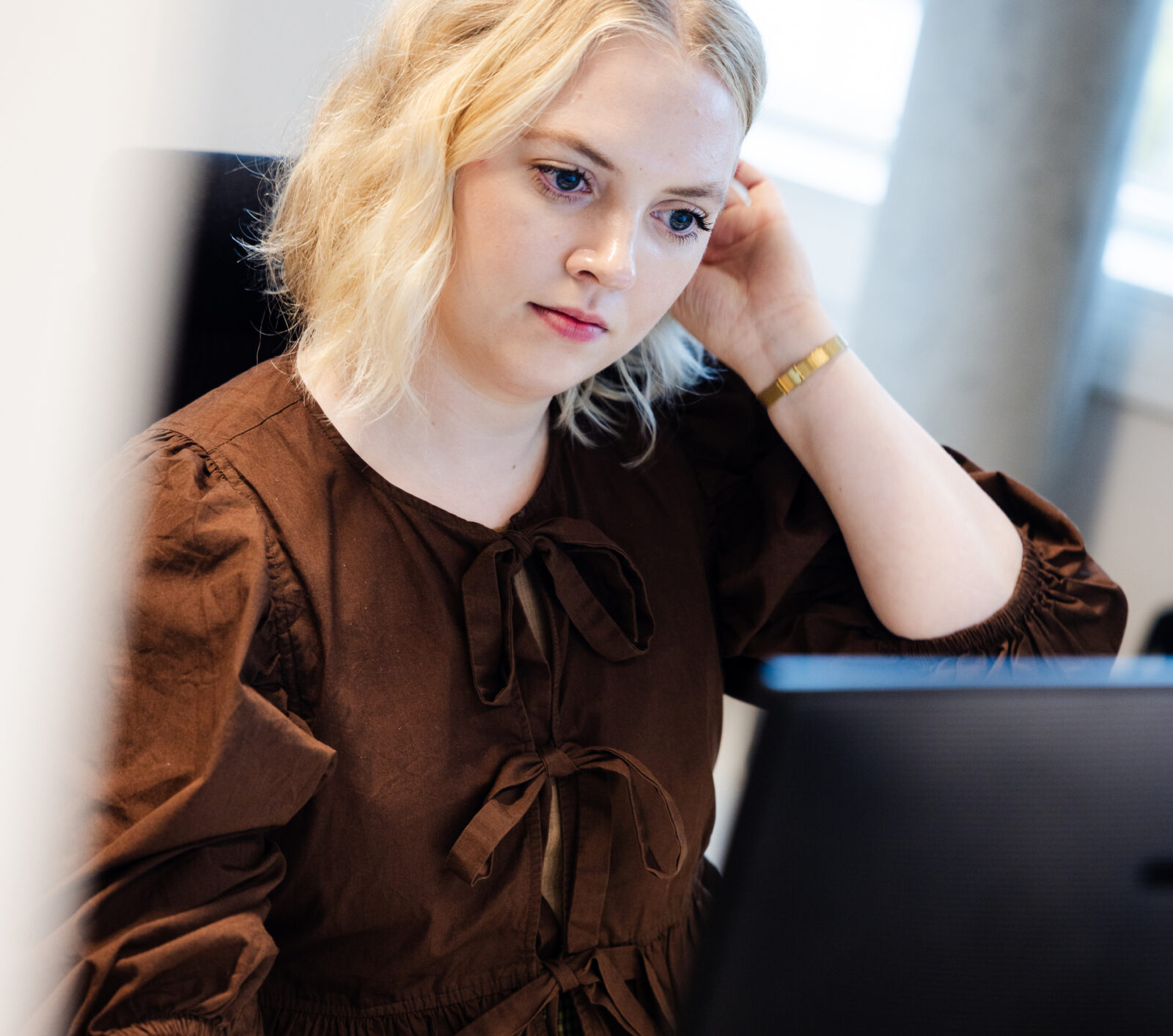
Architect, Building and Planning Department, Nesodden Municipality
The result
Manual tasks that used to take hours or days were quickly automated, once the solution went live. Now, caseworkers begin each case with most of the information already in place.
»We’re seeing a clear improvement, and we haven’t had any cases go past the deadline for quite some time,« says Karoline Klevan.
The time saved goes into the parts of the work that need a person: the professional assessment and the conversation with residents.
»Without the manual work, I have time to go deeper into the professional assessments. That raises the quality of our decisions and frees up time to advise applicants and residents.«
For residents, Nesodden expects faster answers of higher quality and, over time, lower fees.
We estimate that Saksassistenten could make case processing around 30 percent more efficient for a municipality of 20,000 residents, around the same size as Nesodden. That means savings of around NOK 13 million a year that can be used elsewhere.
Building applications are only the first step. Social services are next for Nesodden, but Esther Gilen explains that the solution is ready for other municipalities to use as well.
»We built Saksassistenten so it could work across different types of cases and be used by other municipalities and the wider public sector. Netcompany has been with us all the way, and we’re all motivated by the idea that we can do something important for the public sector in Norway,« says Esther Gilen.
Contact
Loading form...